
Evangelical Lutheran Homiletics
Evangelical Lutheran Homiletics
According to the explanation of the Praecepta Homiletica by Dr. J. J. Rambach, edited by R. Pieper. This local edition gives each chapter its own page for easier reading and linking.
Source PDF hosted at Archive.org. Attribution and context: Back to Luther.
About the Work
A practical Lutheran guide to preaching
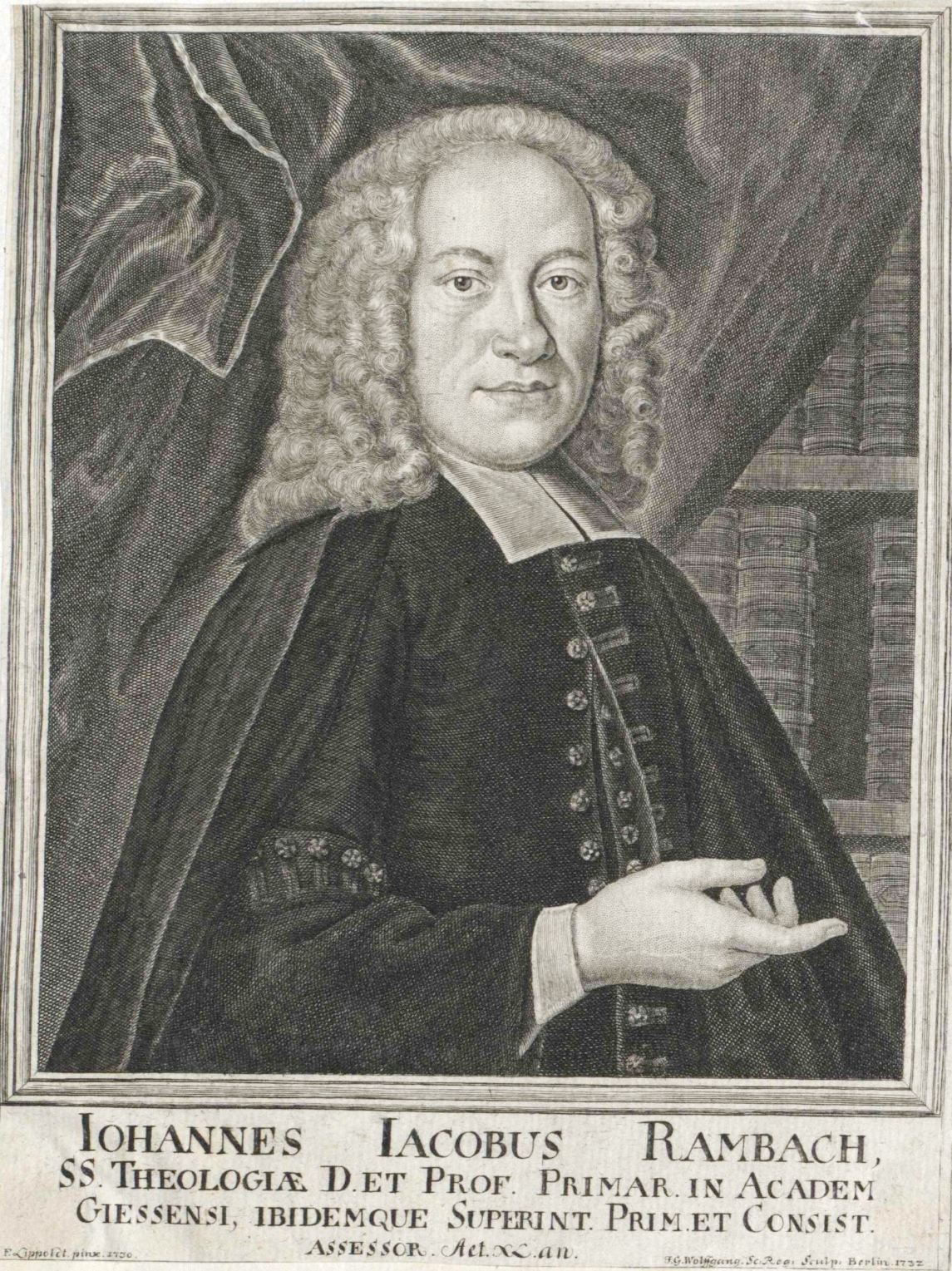
Johann Jakob Rambach (1693-1735) was a German Lutheran theologian, preacher, and devotional writer associated with the later period of Lutheran orthodoxy and its transition into Pietism. Born in Halle, a center of University of Halle Pietism, Rambach was deeply shaped by the theological climate fostered by figures such as August Hermann Francke.
Rambach served as professor of theology and superintendent in Giessen, where he gained a reputation for combining doctrinal clarity with earnest practical application. His work stands at an important intersection: while firmly grounded in the confessional theology of the Lutheran Church, he also emphasized heartfelt piety, pastoral care, and the living faith of the Christian. This balance made him an influential voice in shaping preaching and devotional life in the 18th century.
His most notable contribution for pastors is his work on homiletics, later published in English as Evangelical Lutheran Homiletics and edited by R. Pieper. In this work, Rambach provides a thorough and practical guide to sermon preparation, stressing that true evangelical preaching must faithfully expound Holy Scripture, proclaim Christ as the center, and apply Law and Gospel rightly to the hearer. He insists that preaching is not merely an academic exercise but a spiritual task carried out under the authority of God's Word for the salvation of souls.
Rambach also wrote extensively in biblical exegesis and devotion, including meditations on the suffering and passion of Christ, which were widely read and valued for their depth and warmth. Though influenced by Pietism, his writings remain deeply rooted in the doctrinal framework of the Lutheran Confessions, making them useful for those seeking both orthodoxy and devotion.
Despite his relatively short life, Rambach left a lasting legacy in Lutheran theology, especially in the area of preaching. His homiletical work continues to serve pastors who desire to preach in a way that is at once faithful to Scripture, doctrinally sound, and pastorally effective.
This edition was generated from the English DeepL PDF linked above. OCR and machine-translation artifacts may remain in the text.
Read the Book
Front matter, chapters, and index
Each numbered chapter has its own page, with front matter and index included for reference.
List of the Main Works Used
Read this supporting section from the source volume.
Prolegomena
Read this supporting section from the source volume.
Chapter I. Introduction
Open this chapter in a clean reading page with previous and next navigation.
Chapter II. The Choice of the Text
Open this chapter in a clean reading page with previous and next navigation.
Chapter III. The Study of the Text and Meditation on It
Open this chapter in a clean reading page with previous and next navigation.
Chapter IV. The Subject
Open this chapter in a clean reading page with previous and next navigation.
Chapter V. The Disposition
Open this chapter in a clean reading page with previous and next navigation.
Chapter VI. The Interpretation of the Dispositional Text
Open this chapter in a clean reading page with previous and next navigation.
Chapter VII. The Application of the Interpreted Text
Open this chapter in a clean reading page with previous and next navigation.
Chapter VIII. The Conclusion of the Sermon
Open this chapter in a clean reading page with previous and next navigation.
Chapter IX. The Style of Preaching
Open this chapter in a clean reading page with previous and next navigation.
Chapter X. Physical Eloquence
Open this chapter in a clean reading page with previous and next navigation.
Chapter XI. The Personality of the Preacher
Open this chapter in a clean reading page with previous and next navigation.
Index
Read this supporting section from the source volume.